Even if you've been turned down before or assume you won't qualify, you may be closer to getting approved for a loan than you think. Here's what CDFI lenders look at.
|
|
What made the leap possible was a loan. |
|
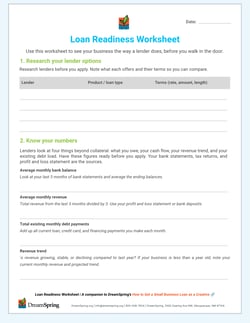
A slab roller, a computer, and clay. That's a small business loan. And for a lot of creative and service business owners, it may be more accessible than you assume. Read on to learn what lenders look for — and download our free Loan Readiness Worksheet to organize what you have before you apply.
|
Not sure if now is the right time? Our guide to when creative businesses should get a loan can help you think it through. |
What Counts as Collateral for a Small Business Loan
When most people hear the word collateral, they picture a building or a piece of land — something a bank could take and sell if you stopped making payments. That kind of hard asset, common in manufacturing and real estate, is less common in creative and service businesses, and it leads a lot of people to assume they won't qualify for a loan.
But collateral is broader than that. A business lien on your overall business assets, equipment you own outright, vehicles, inventory, even personal assets like appraised jewelry or artwork can all serve as collateral depending on the lender and the loan amount. And for loans under $20,000, DreamSpring offers uncollateralized options for applicants with a credit score above 650 — no collateral required at all.
Before you approach a lender, take stock of what you have. Active commissions or contracts strengthen your financial picture, even if they can't be pledged as collateral. Specialized equipment has value. A track record of institutional clients, press coverage, or exhibition history gives a lender a clearer picture of business stability, even when it doesn't appear on a balance sheet. It's easy to overlook what you've built when you're focused on what you don't have. A lender who works with creative businesses has seen this picture before and knows how to read it.
| If your credit score needs work before you apply, our guide to building business credit as a creative entrepreneur is a good place to start. |
What Lenders Look for Beyond Collateral
Collateral is one factor, but lenders look at the full picture. The four things a lender typically weighs are: what you can offer as collateral, what you already owe, whether your cash flow is sufficient to cover a new loan payment, and whether your revenue has been growing or shrinking. For a creative or service business with limited hard assets, the last three become especially important — and they're things you can prepare for.
Your bank statements tell the cash flow story. A profit and loss statement shows revenue trend. A business debt schedule, if you carry existing debt, lets a lender see whether you have room for more. For loans above $15,000, DreamSpring will ask for most of these. The full document checklist breaks it down by loan size, so you know exactly what to gather before you apply.
The other thing a lender — particularly a CDFI like DreamSpring — weighs is character and community impact. How long you've been in business, who you serve, and your reputation in your field can be part of the underwriting picture too.
|
|
Use our free Loan Readiness Worksheet to inventory your assets, understand what lenders look for, and organize your documents before you apply. → |
|
A Note on Trust Land
For Native entrepreneurs operating on tribal land, the collateral challenge is compounded by something most lenders don't understand. Trust land — land held in trust for tribes by the federal government — cannot be used as collateral for a conventional loan. Home equity, one of the most common ways small business owners secure financing, is simply unavailable. The barrier has nothing to do with creditworthiness. Federal trust land simply cannot be pledged as collateral under conventional lending rules.
CDFIs, including DreamSpring, are among the most viable paths for Native entrepreneurs navigating this barrier. The Native CDFI Network can help you find lenders specifically designed to serve Indigenous communities and understand the unique lending constraints of trust land. For small businesses in New Mexico specifically, DreamSpring has compiled a guide to resources for Indigenous creative entrepreneurs that includes programs built around the specific realities of starting a business in a tribal community.
How to Prepare Your Small Business Loan Application
The single best thing you can do before approaching a lender is get your documents in order. Knowing what a lender will ask for — and having it ready — speeds up the process and signals that you're a serious applicant. DreamSpring's application readiness page walks through the full process, and our free Loan Readiness Worksheet gives you a place to inventory your assets and gather what you need before you apply. Before your first conversation with a lender, SCORE also has a useful list of questions to ask that can help you feel prepared walking in.
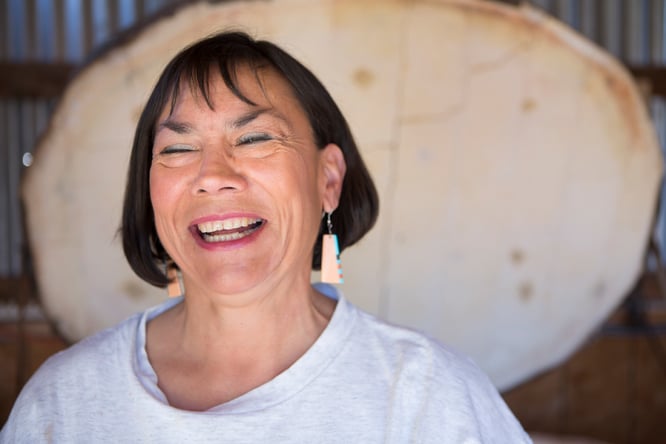
For entrepreneurs looking for other CDFI options beyond DreamSpring, the Opportunity Finance Network's CDFI Locator lets you search by location and type of financing needed. With the right funding and support for your creative small business, Rosemary says, “You can work with your mind clear, and that’s extremely important for an artist."
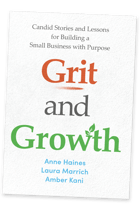
Quotes excerpted from Grit and Growth: Candid Stories and Lessons for Building a Small Business with Purpose (Wiley), Chapter 1, "The Sparks: Early Influences, Lived Experiences, Values, and Your North Star."
For more small business resources, visit the DreamSpring Business Resource Library.