How eco-friendly shifts can help creative entrepreneurs build a sustainable business — in more ways than one.
When you’re running a creative business on tight margins, making eco-friendly choices can feel expensive, inaccessible, or overwhelming. Sustainability might seem like one more responsibility on an already-full plate.
But becoming environmentally sustainable is a process, not a pass-fail test. You do not need to overhaul your entire practice overnight or aim for perfection to make a meaningful impact. Small changes matter, and over time they add up.
For creative entrepreneurs, eco-friendly shifts that support the planet come with significant benefits: long-term cost savings, more intentional workflows, and a stronger alignment between your personal values and your business brand. Here’s why and how it makes sense to add some more green to how you do business.
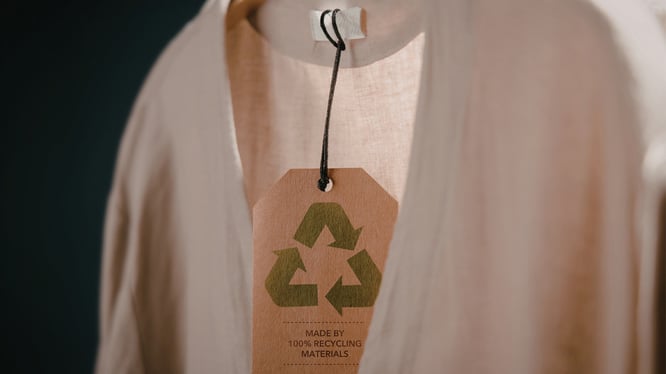
Discover how implementing small, eco-friendly shifts can lead to lasting impact.
Sustainability Is Good Business.
It’s easy to view environmental impact as a separate "to-do" list, but for a creative entrepreneur, it is deeply woven into the work itself. From the paper beneath your sketches to the lighting in your studio, your ecological footprint is a byproduct of your creativity.
Choosing to minimize that footprint is a strategic business move as much as an ethical one. Shifting toward resource conservation and intentional sourcing helps eliminate the "hidden costs" of waste, making your business more efficient.
Ultimately, sustainability allows you to create work that reflects your highest standards — not only in the final product, but in how it came to be. To see that in action, check out these examples of how creative industries are integrating “green” into their work.
Just Start Where You Are.
Instead of trying to change everything at once, focus on the parts of your practice you touch every day. Begin with a simple audit of your current materials, tools, and processes. Notice where waste or inefficiencies show up most often — is it in your packaging, your prototyping phase, or your energy use? By identifying these high-impact areas, you can choose one specific bridge to cross rather than trying to tackle a dozen changes at once.
Explore the Art of Sourcing Materials and Supplies.
Put Efficiency into Action.
Focus on Progress Over Perfection.
You Make the Art. We’ll Help You Build the Business.
Creative work requires a different kind of support. That’s why we built DreamCreative — a specialized suite of tools, business education, and funding specifically for designers, makers, and artists. As a nonprofit lender, DreamSpring is focused on your long-term resilience. If you’re ready to align your business growth with your personal values, we have the resources to help you get there. See all the ways we support creative entrepreneurs.
Don't miss the next business resource article!
Subscribe and get it delivered directly to your inbox.

